
Personal Context: Living Through Brain Cancer
How lived experience shaped our understanding of dependence, dignity, and care.
I have always been a healthy, fit person who valued being active. I exercised regularly, ate well, slept well, and had strong relationships in my life.
I enjoyed hiking and camping. I was an avid fly fisherman and golfer. I learned to snowboard at 40 years old and joined a men's baseball league at 42, playing on three different teams—often at the same time—in 18-year-old, 35-year-old, and 40-year-old leagues.
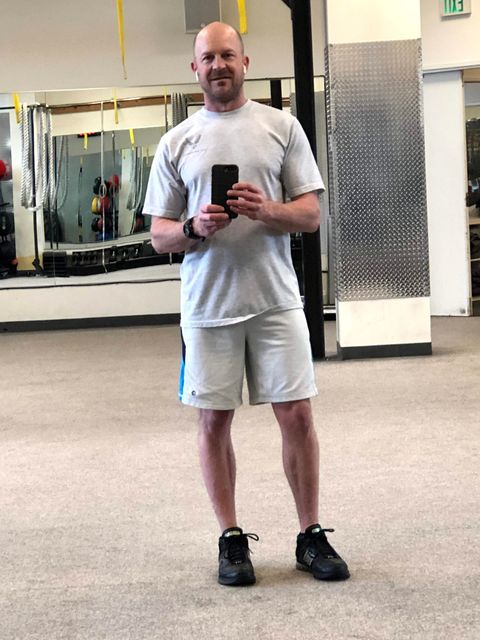
I crashed snowboarding in February 2020 and tore a ligament in my right knee. Shortly after, I developed right foot drop, which I initially associated with the knee injury.
Soon after that, I noticed my right hand was no longer able to type accurately. Then the fatigue became severe. My speech began to slur, and I became very unsteady when walking.
An MRI revealed a large brain lesion in my cerebellum. The initial diagnosis was inconclusive but thought to be likely multiple sclerosis. A second MRI showed the same findings, but a neurologist was not convinced and recommended a brain biopsy.
Before the biopsy could be scheduled, I woke up on June 1, 2020, severely nauseous. An ambulance transported me to the emergency department, where a biopsy was performed and I was diagnosed with large B-cell lymphoma in my brain.
I was told that without treatment, I would not survive more than three months.
Chemotherapy began immediately. I underwent two lumbar punctures to determine whether the cancer had spread to my spine and completed eight rounds of chemotherapy, each consisting of one week in the hospital followed by two weeks at home.
The final step of treatment was a bone marrow transplant. The process essentially eliminated everything in my body so that stem cells could be infused to rebuild it. The transplant erased my immunizations and required approximately 30 days in the hospital. It was the hardest thing I have ever done.
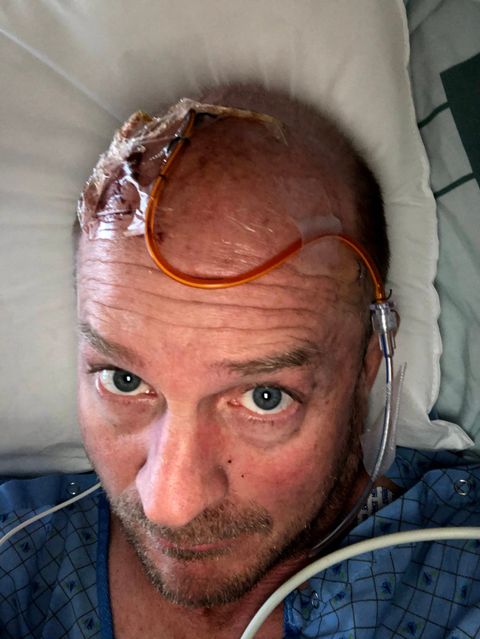
The cancer disabled me early and permanently. To this day, I have severe discoordination in my right arm and leg. I have swallowing difficulties. My speech remains slurred. My balance is poor, and I fall frequently.
During treatment—especially at its most intense—I required full care. I could not dress or bathe myself. I could not prepare food. I could not use the restroom without assistance.
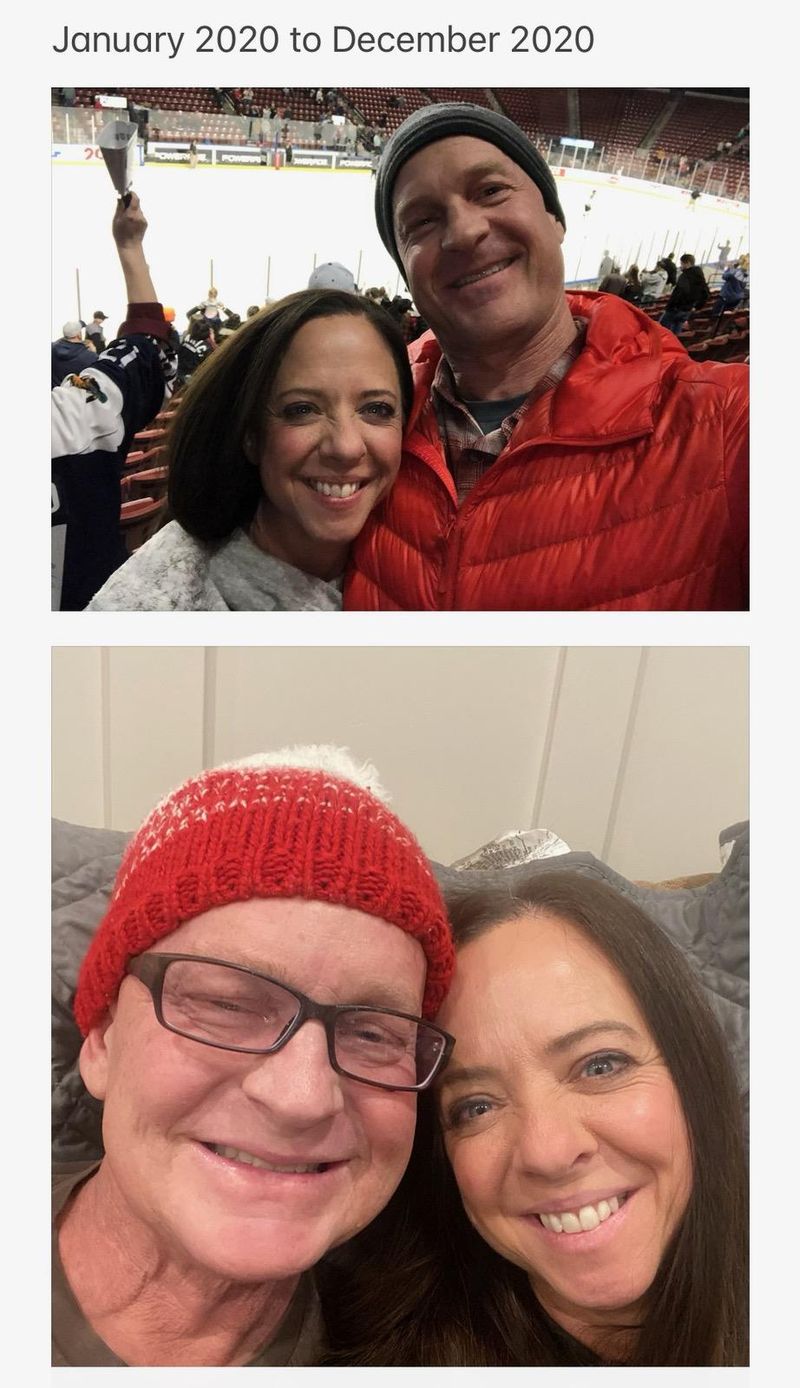
Going from fit, healthy, and strong to unable to perform even the most basic tasks for myself was deeply humbling. It gave me a level of empathy that cannot be learned any other way.
These personal experiences influence how and why our company exists. They shape how we recruit Care Professionals, how we train our team, and how we lead. They inform our standards for dignity, patience, communication, and respect for autonomy.