
INTERIM HOME CARE UTAH
Home Care After Surgery: A Plain-English Primer
We've written a more detailed guide on this topic already, focused specifically on the first weeks after discharge. This is the broader introduction — what home care after surgery actually means, and who it's for.
What This Kind of Care Actually Looks Like
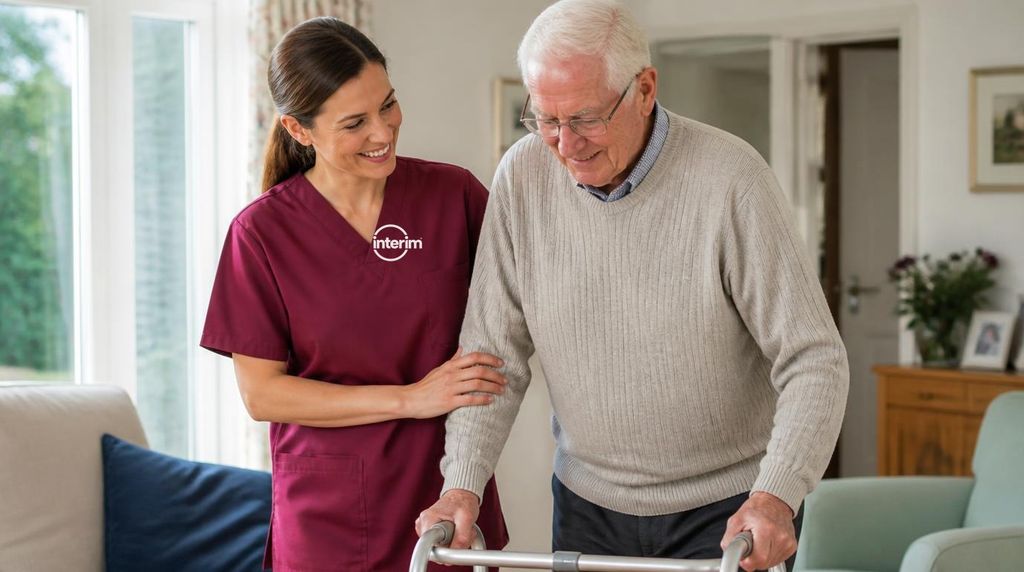
After a surgery, especially one requiring a hospital stay, the recovery period at home often needs more support than a person can manage alone — help with mobility while movement is limited, medication timing, meal prep, transportation to follow-ups, and general supervision during the highest-risk stretch of recovery.
Who Typically Needs This
Anyone recovering from a significant surgery — joint replacement, cardiac procedures, major abdominal surgery — especially older adults, who face higher risk of complications and slower recovery than younger patients. It's also common after any surgery where a person lives alone and won't have consistent help otherwise.
How Long It's Usually Needed
This varies enormously by procedure and by the person's overall health. Some families need intensive support for one to two weeks before stepping down to occasional help; others need a longer, more gradual transition over a month or more. There's no standard timeline — it should track the actual recovery, not a fixed package.
The Difference Between This and Skilled Home Health
If a hospital discharge plan includes skilled nursing visits or physical therapy, that's typically Medicare-covered home health — a separate, medically-focused service with its own eligibility rules. Non-medical home care fills the rest of the time between those visits, or covers the whole recovery if skilled care isn't part of the discharge plan.
Why Starting Immediately Matters
The period right after discharge carries the highest risk of complications and readmission. Having support in place from day one — rather than waiting to see how things go — is what actually prevents a lot of avoidable setbacks. We've written a detailed guide to what this looks like specifically in that first critical stretch.
How Interim Approaches This
We build the care schedule around the actual recovery, checking in and adjusting as needs decrease over time, rather than locking a family into a fixed package that doesn't match how recovery actually unfolds.
Our 7th Week Guarantee
No long contracts. If you don't feel the difference after six weeks of care at 20 or more hours a week, your seventh week is free.
Get Started
Call us at (801) 401-3515 — ideally before discharge. We can often arrange coverage to start the same day someone comes home.
Read our detailed guide to the first weeks after surgery, or learn more about our in-home care services.
In-Home & Senior Care
More from this series
Overnight Care: What It Actually Involves | Interim
What overnight care actually covers, who typically needs it, and how it's different from live-in care and full 24/7 shift coverage.
Home Health Aide Services | Interim Home Care
A home health aide is a certified role between a nurse and a general caregiver. Here's what the certification means and what the role actually covers.
Live in Caregiver: What It Is and Why It Matters | Interim
What a live-in caregiver's actual role and schedule look like, and how this arrangement differs from 24/7 shift care.
Personal Care Services Explained | Interim
What personal care services actually include, who provides them, what they cost, and how they differ from skilled medical home health care.